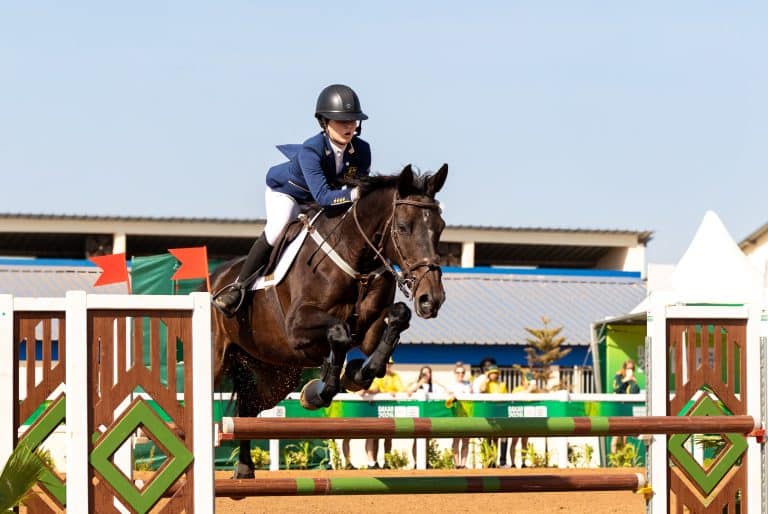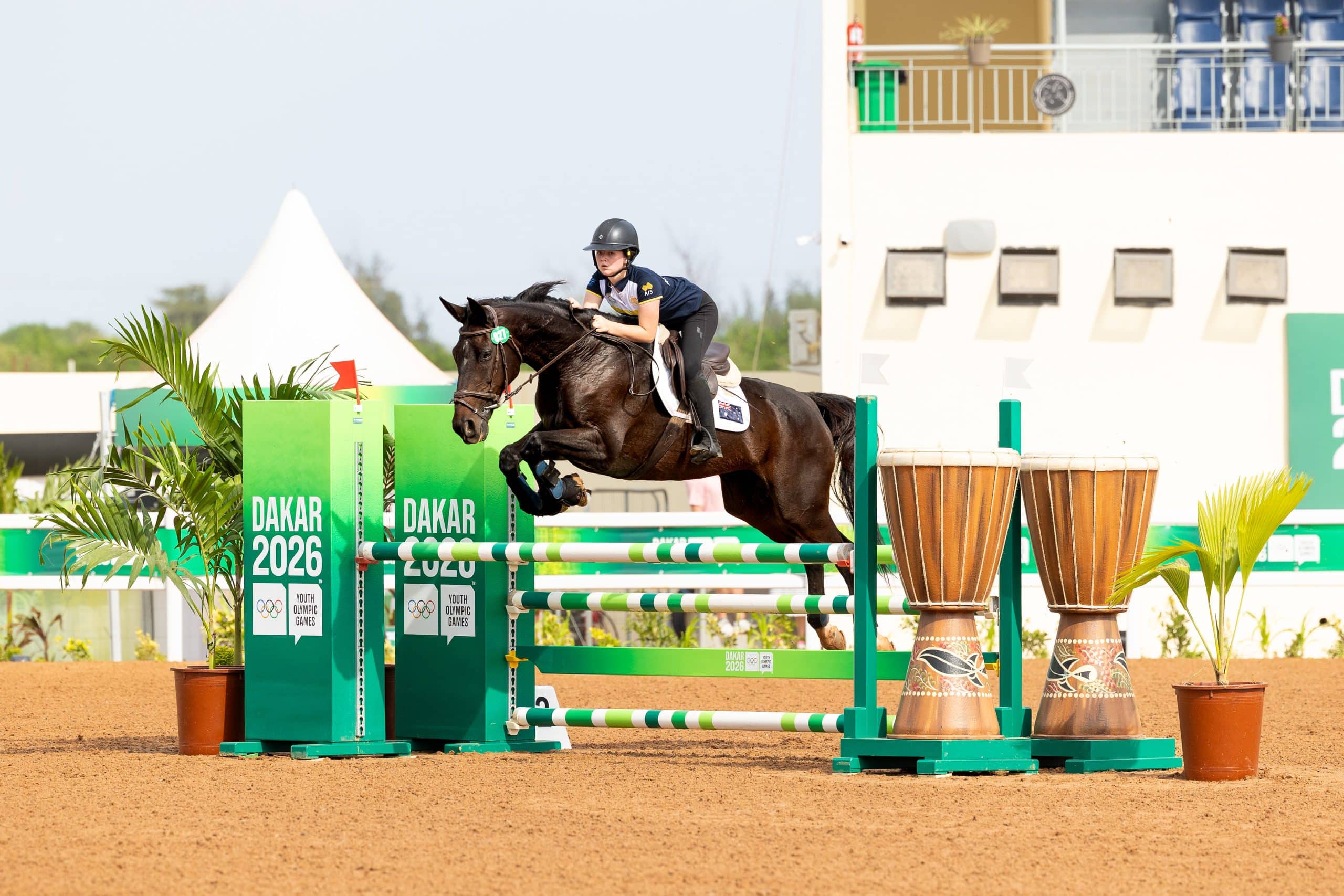


Competing at her first major international event, the 17-year-old from the NSW Central Coast had to navigate a challenging late change of horse to Tina de Pots, completing the course with just two rails down and adding eight penalties to her score in a time of 84.02 seconds.
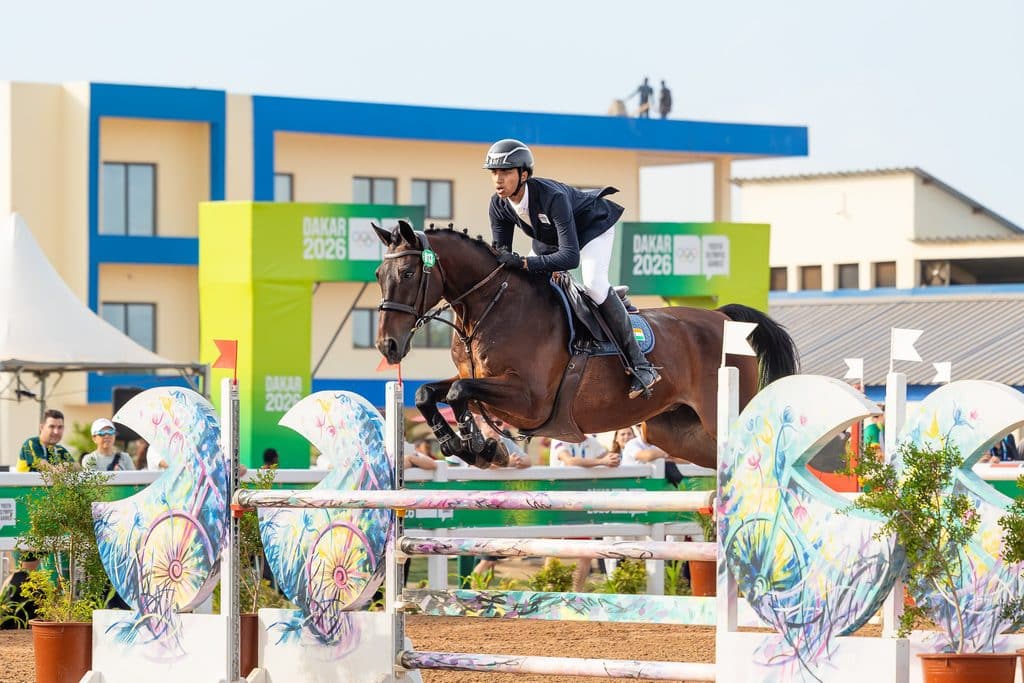
Four athletes finished clear to share the early Individual lead. India’s Sresht Raju Mantena, Guatemala’s Cristian Tejada Saravia, Monaco’s Valentine Platini and Switzerland’s Mike Smits all completed the Individual Qualifier Round A without penalties at the Equestrian Centre in Diamniadio, Senegal.
A flying start in Senegal
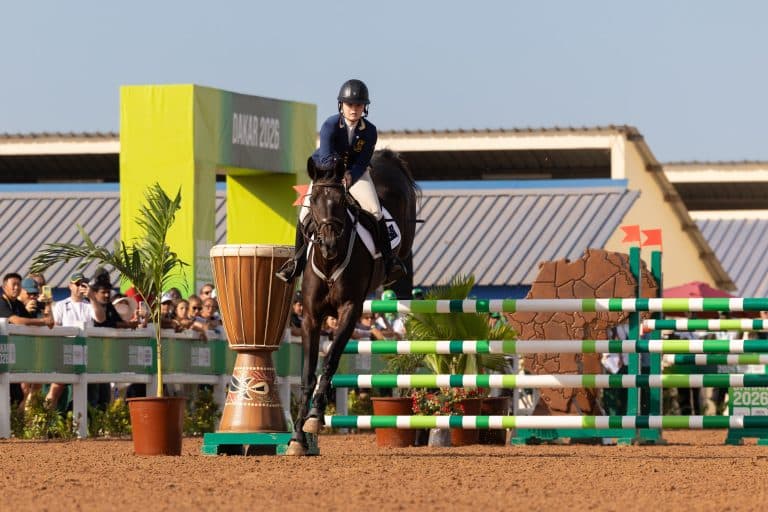
The athletes wasted no time showcasing their skills, delivering an impressive display of horsemanship in front of a supportive crowd that cheered on every nation.
The opening round was a welcome confidence boost for India’s Mantena, who finished clear just over 1.5 seconds ahead of Guatemala’s Saravia. “It feels fantastic,” he said. “We just started the Youth Olympic Games, the first round, and it feels good to get some confidence for the rest of the week.”
The 15-year-old quickly found his rhythm aboard Crazy Horse Boop. “I think now he’s starting to understand me, and I understand him. I just need to be there with the support, and he needs a really big canter to jump these fences.”
Africa’s first Olympic sporting event
Dakar 2026 is making history as the first Olympic sporting event to be held on African soil, creating a particularly special moment for the African competitors.
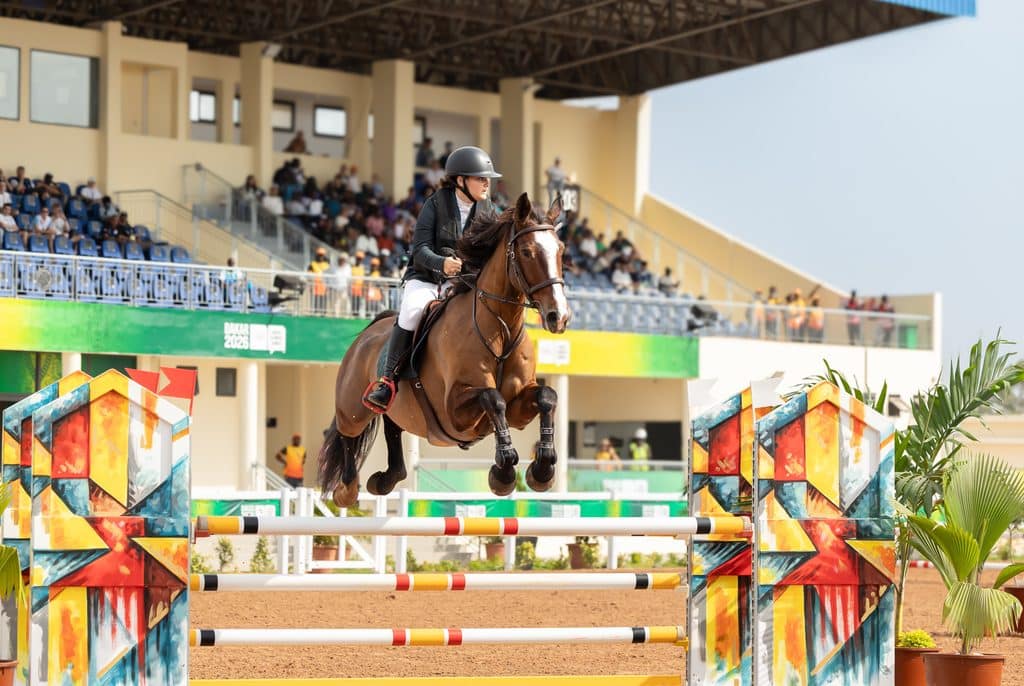
Senegal’s Eden Milla Duscia Kazoum was both nervous and excited to compete in front of a home crowd, finishing equal fifth on four penalties aboard Gaby van de Rock. “My round was very stressful at the beginning, but once I got going, I felt much better,” the 15-year-old said. “I felt more confident, and by the end, I was very happy to have been able to make my country and the people here proud.”
Kazoum has her own way of staying calm and keeping the nerves at bay, talking to her horse throughout the course. “I generally talk to the horse a lot, all the time. Sometimes I say, ‘Come on, go on, jump!’ It helps build my confidence.”
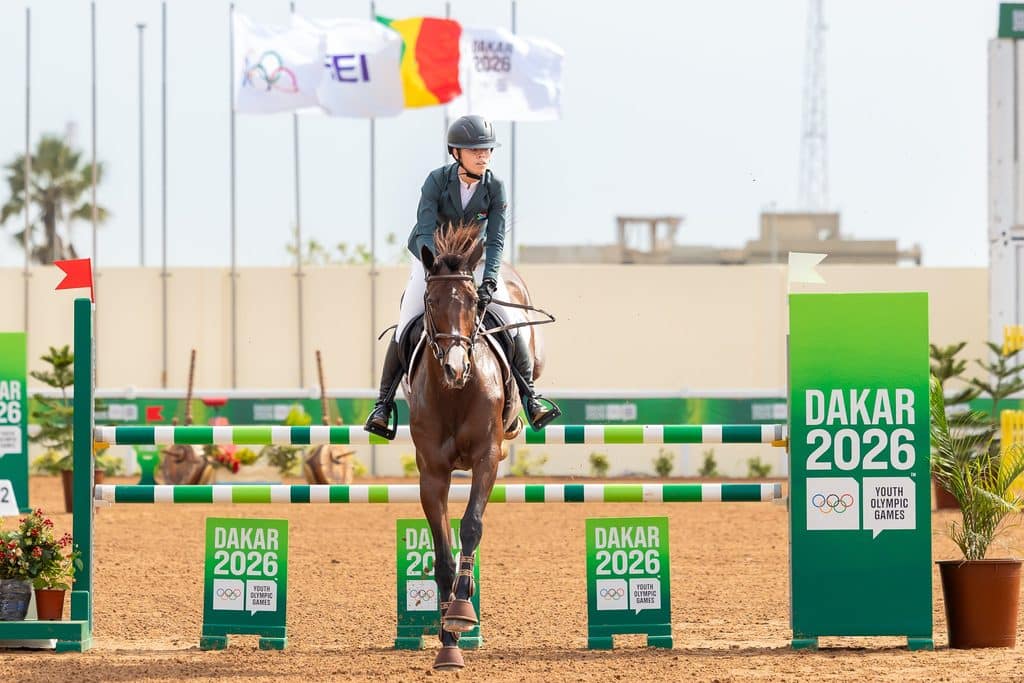
South Africa’s Bo Reed was also bursting with pride after completing her round. For her, the experience of wearing her country’s colours on the world stage was just as thrilling as the competition itself. “I got to wear my green blazer with the South African flag for the first time today, and it’s just a surreal feeling,” Reed said. “I am so, so proud and so honoured to be representing South Africa.”
For Reed, however, the excitement goes beyond representing her own country. She is also proud to be part of an historic moment that she hopes will inspire others across Africa to pursue their sporting dreams. “I think it’s such a big milestone for Africa as a whole,” she said. “It’s incredible. The Senegalese people have been so welcoming, and it just shows Africa is just as capable as Europe and America. For me, the vibe here is just incredible.”
Shared Olympic dreams on borrowed horses
Athletes compete on borrowed horses, which are allocated by draw following the initial horse inspections. The format challenges them to demonstrate more than technical and riding skills, requiring them to build trust and a partnership with a horse they have only known for three days.
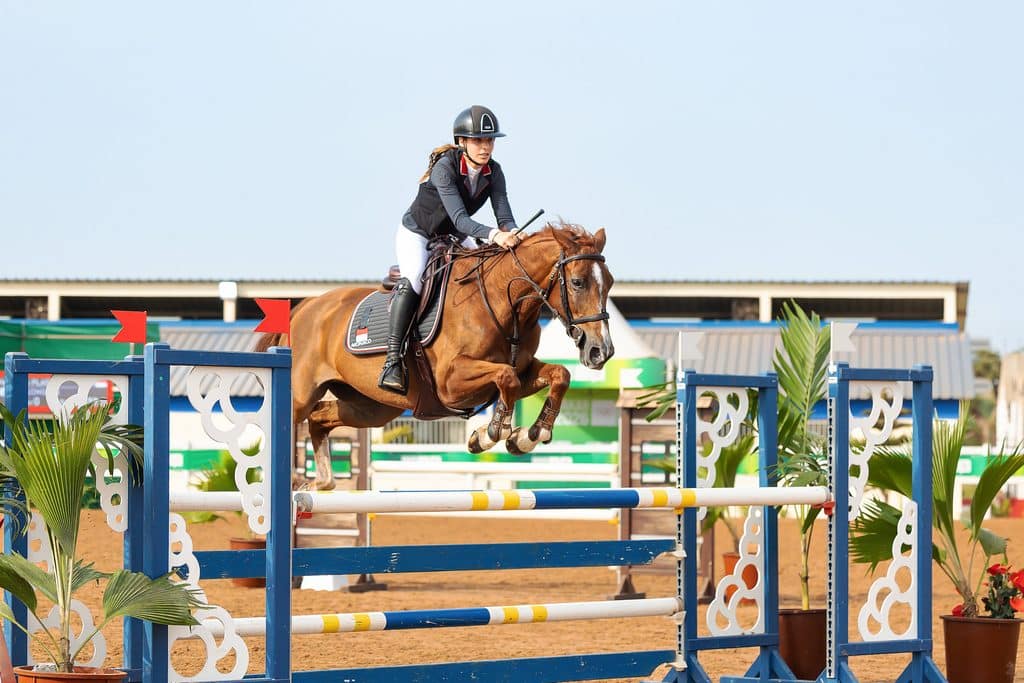
Monaco’s Valentine Platini, who jumped clear in 82.76 seconds, said her confidence had grown quickly with Elite Longane. “I have a nice horse, and I’m getting to know him,” the 16-year-old said. “I got to know him a few days ago, so now I’m a bit less stressed, and he was really nice. He did his best, so I’m really happy about it.”
A regional team event
While showjumping at the Dakar 2026 Summer Youth Olympic Games is an individual event, the 24 athletes are also divided into six regional or continental teams representing Africa, Europe, Inter America, South America, Asia and Intercontinental. The individual qualifying rounds also count towards the team competition.
Team scores are calculated across the two qualifying rounds, with the three best individual scores from each regional team added together in each round. The scores from both rounds are then combined to determine the final team standings.
Understanding the Youth Olympic showjumping format
Individual showjumping is the only equestrian event at the Dakar 2026 Summer Youth Olympic Games. The 24 athletes compete in two qualifying rounds, A and B, followed by a final. All athletes compete in all three rounds.
The starting order for the two qualifying rounds is determined by a draw. In the final, athletes start in reverse order of their combined results from the two qualifying rounds, with the lowest-ranked athlete starting first and the highest-ranked athlete starting last. Qualifying results do not carry forward into the final, and all athletes start on zero.
To be eligible for the Youth Olympic Games, athletes must be born between 1 January 2008 and 31 December 2011.
The jumping action continues on Thursday 5 November, with Round B and the FEI Team Final. The International Olympic Committee posts the schedule and results.